Blog

Every Child Counts: Why a Proposed Census Rule Puts Virginia’s Kids at Risk

  • Take Action

By Jordan Roberts

In September 2026, the U.S. Census Bureau proposed changes to the 2030 Census that could have lasting consequences for Virginia’s children and families. These changes would affect who gets counted, where people are counted, and what information the census can collect.

But what exactly does that mean?

This is the first in a five-part series breaking down the proposed rule, why an accurate census matters, and what is at stake for children and families across the commonwealth. Throughout the series, we’ll take a closer look at how these changes could affect immigrant families, families of color, rural communities, and children in complex living situations.

Why the Census Matters in Your Community

The census takes place every ten years, but its impact is felt long after the counting ends.

Census data helps determine how federal resources are distributed to states and communities. It also serves as the foundation for population estimates that guide funding decisions for schools, special education, child care, health coverage, and nutrition programs.

Federal Funding for Virginia | FY 2016
$17.7 billion

Virginia received more than $17.7 billion in federal funding guided by census data, including:

$251M Title I schools
$291M Special education
$64M Child care

Programs like Medicaid, the Children’s Health Insurance Program (CHIP), SNAP, Head Start, and school meals also rely on census data to help communities plan services and allocate resources.

When children are missed in the census, the data used to make decisions about their communities may not reflect their actual needs.

Young Children Are Already Being Missed

Even without the proposed changes, young children are among the hardest populations to count accurately.

According to the Census Bureau, approximately 1 million children under age 5 were missed nationwide during the 2020 Census. That represents a 5.46% undercount, the largest for young children since 1970. The Bureau also found estimated undercounts of young children in 84% of the counties it examined.

The numbers across the commonwealth paint an even more concerning picture. Virginia was one of just 14 states, along with Washington, D.C., where the undercount of young children exceeded the national rate. An estimated 30,000 babies, toddlers, and preschoolers were not counted in 2020.

In Fairfax City, the estimated undercount of children under 5 reached 25.2%, the highest of any county or city studied by the Census Bureau.

Those 30,000 children are now school-aged. Yet the population data used to inform decisions about schools, health care, and child care may still not fully reflect their presence.

Because the census only happens once every decade, an inaccurate count can have consequences that last for years.

What Would the Proposed Rule Change?

The proposal would introduce significant changes in two key areas.

Who Gets Counted and Where They Are Counted

The proposed rule would exclude certain immigrant populations from the count used to determine how many seats each state receives in Congress.

This would include undocumented residents as well as some individuals who are legally living in the United States, including people with temporary visas or pending asylum cases.

In Virginia, approximately 500,000 people could be affected.

The proposal would also change how the Census Bureau determines where someone lives. Instead of primarily counting people where they live and sleep most of the time, the new approach would rely more heavily on tax records and the number of days spent at an address between January and April.

It would also remove longstanding guidance for counting people in complex living situations, including children in foster care, domestic violence shelters, homeless shelters, and group homes.

What Information the Census Can Collect

The proposed rule would permanently prohibit questions about race, ethnicity, and sexual orientation on the decennial census.

Questions about race have been included in every U.S. Census since 1790. Removing this information would make it more difficult to identify disparities, understand community needs, and measure whether certain populations are being counted accurately.

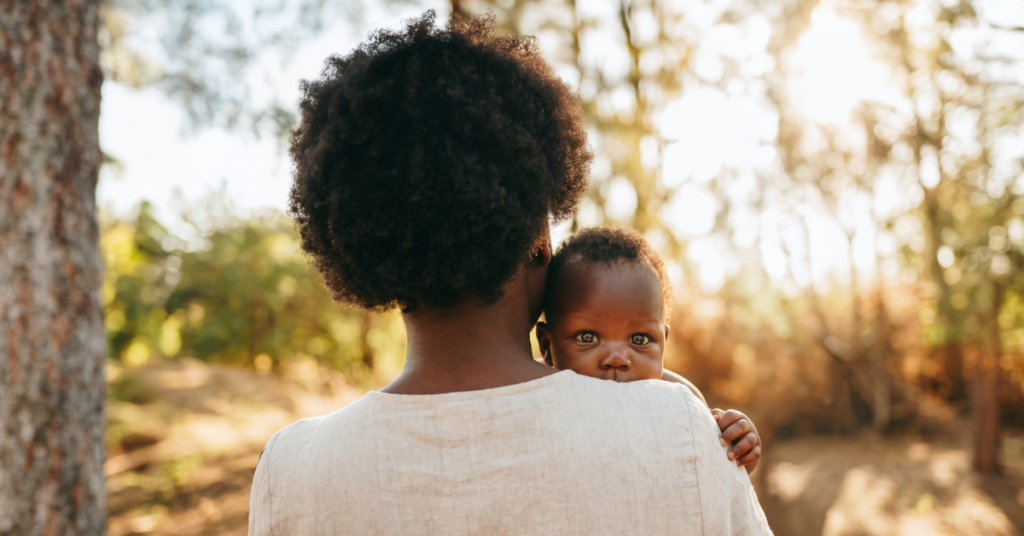
Photograph accompanying the explanation of proposed Census changes

What Does This Mean for Children and Families?

These changes could make it even harder to ensure every child is counted accurately, particularly children who are already at greater risk of being missed.

Families May Be Less Likely to Participate

Approximately 118,000 U.S. citizen children in Virginia live with an undocumented parent. Concerns about how immigration information could be used may discourage some families from responding to the census, increasing the risk that their children will be missed as well.

Tax Records Don’t Always Reflect Where Children Live

Young children do not file taxes, and some low-income families are not required to file tax returns. Families may also use mailing addresses or P.O. boxes that do not reflect where they actually live.

Relying heavily on these records could make it harder to determine where children should be counted.

Children in Complex Living Situations Could Fall Through the Cracks

Children in foster care, shelters, shared custody arrangements, or other temporary living situations need clear rules to ensure they are counted correctly.

Without that guidance, children could be counted in the wrong household, counted more than once, or missed entirely.

Communities Could Lose Critical Information About Disparities

Race and ethnicity data help researchers, advocates, and policymakers identify where disparities exist and whether programs are reaching the communities they are intended to serve.

Without this information, it would become much harder to understand which groups of children are being overlooked and where additional resources or outreach may be needed.

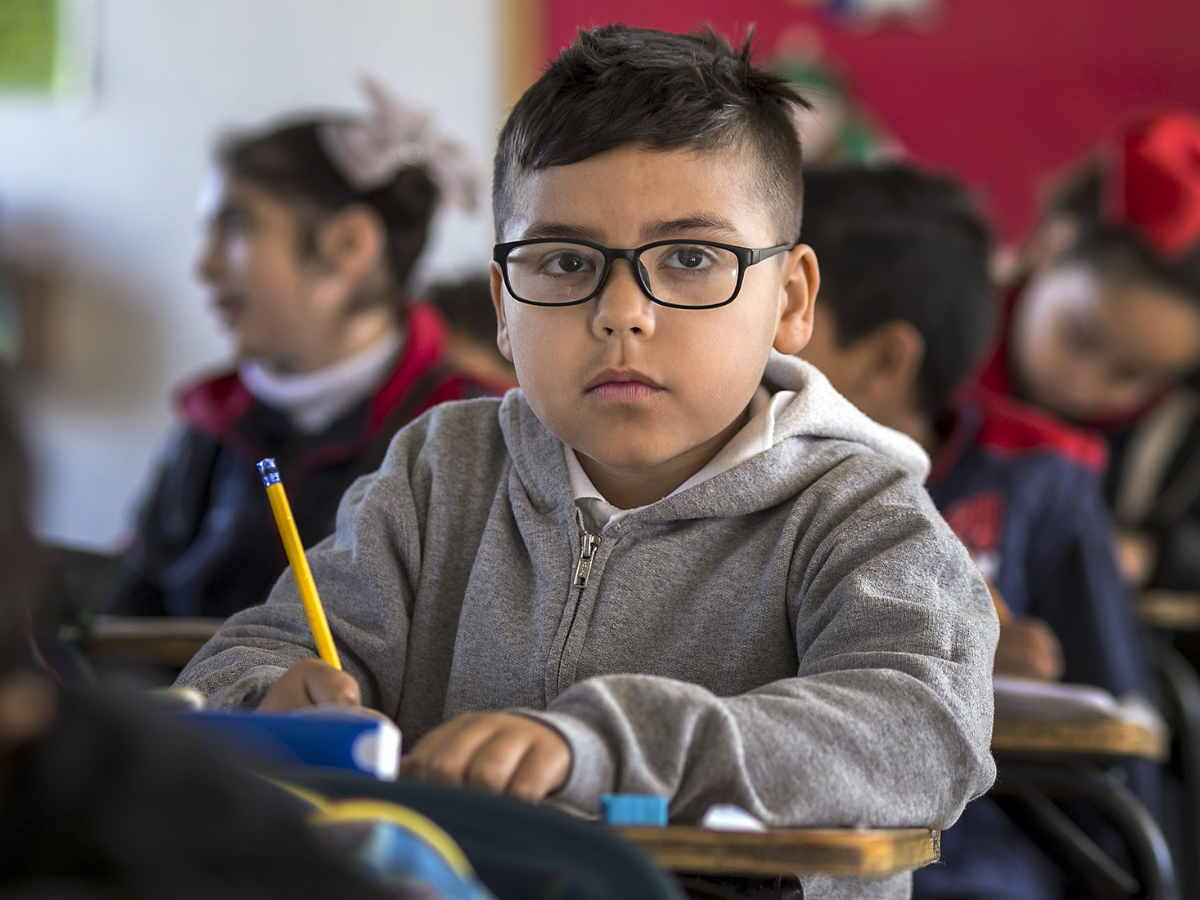
Children and families in a community setting

The Impact Could Last a Decade

The consequences of an inaccurate 2030 Census would extend far beyond Census Day.

Population estimates built from the census are used throughout the following decade. If children are missed in 2030, those undercounts could continue to affect population estimates and decisions about public resources through 2040.

2030 Census year
2040 Potential lasting impact

An inaccurate count can shape population estimates and resource decisions throughout the following decade.

For school divisions, health departments, and child care programs, that would mean planning services based on population figures that do not accurately reflect the children living in their communities.

For many federal programs, funding is distributed using formulas that rely in part on census data. When a community is undercounted, it may receive less funding than it otherwise would, while resources are distributed elsewhere.

The communities where children are already most likely to be missed could face the greatest consequences.

What Voices Is Asking For

Voices for Virginia’s Children is calling on the U.S. Census Bureau to withdraw the proposed rule and prioritize what matters most: counting every child, once, and in the right place.

That includes building on the Bureau’s existing efforts to address the undercount of young children through clearer instructions that remind families to include babies and young children, along with stronger outreach to communities where children were missed in 2020.

Ensuring an accurate census is one of the most important responsibilities the federal government has to children.

Virginia’s children cannot afford another decade of being undercounted.

Take Action: Make Your Voice Count

The Census Bureau is accepting public comments on the proposed changes through November 2, 2026.

Public comments become part of the official record and give individuals, families, organizations, and community advocates an opportunity to share their concerns before a final decision is made.

Public Comment Deadline November 2, 2026

Here’s how you can take action:

Submit a Public Comment

Visit regulations.gov and search for docket number USBC-2026-0628. Comments must be submitted by November 2.

Submit a Public Comment

Use Our Comment Templates

Not sure where to begin? Voices has developed templates for individuals and organizations to help you get started.

Share Why This Matters to You

Consider adding a few sentences about how an accurate census affects your family, school, workplace, or community.

Public comments are posted online, but commenters may submit anonymously.

You can also help spread the word by sharing this post with friends, colleagues, and community members who care about Virginia’s children.

Throughout this series, we’ll explore how the proposal could affect different communities across Virginia and why ensuring an accurate count matters for all of us.

Sign up for Voices updates to stay informed.

Want to learn more? Read our complete policy explainer for a deeper look at the proposed changes and their potential impact.


Related Posts

Blog
2020 Census Kids Count Data

Census 2020 Series- What is the Census and why is it important?

October 19, 2018

Become a Champion for Young People!

Transforming the lives of young people requires us to transform systems through our evidence-based, community-informed policy change. Your contribution to Voices provides us with the vital resources we need to continue our advocacy.