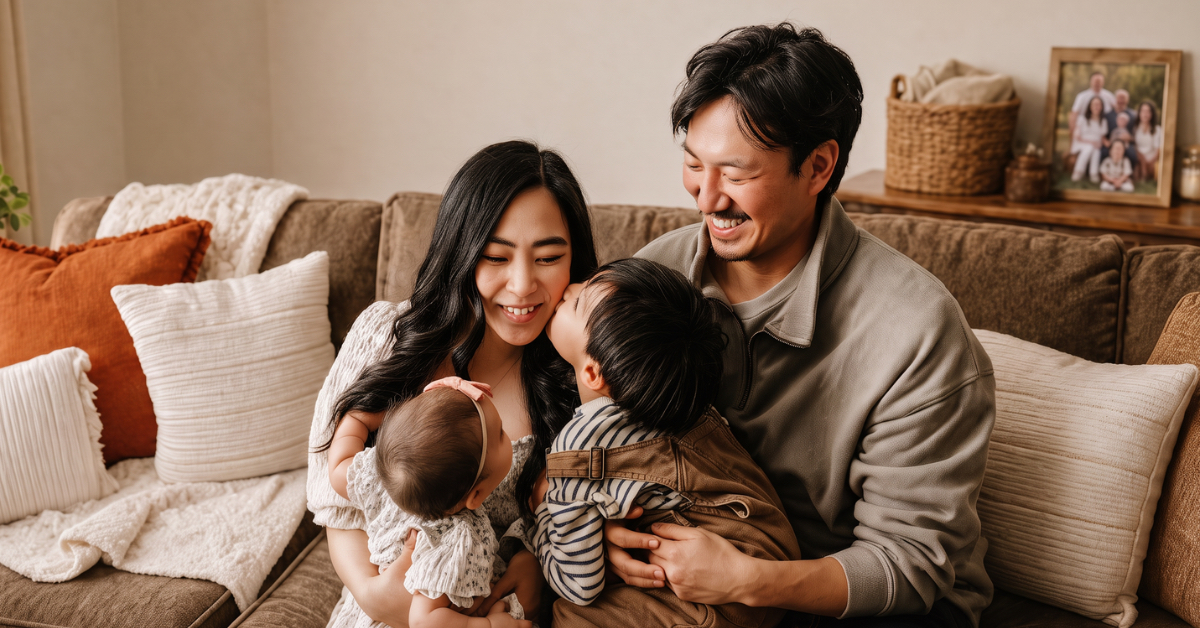
Every census since 1790 has counted people living in the United States, regardless of citizenship. A proposed rule for the 2030 Census would break from that approach. It would leave hundreds of thousands of Virginians out of the count used to determine representation in Congress and could make it harder to count many children who are U.S. citizens.
For immigrant families, the concern goes beyond who is included on paper. It is also about whether families feel safe enough to participate, whether children are counted where they live, and whether communities have accurate information to plan for their needs.
Who Would Be Left Out?
Under the proposal, people who are not U.S. citizens or green card holders would be excluded from the apportionment count, which determines how many seats each state receives in Congress. This includes more than undocumented residents. In Virginia, estimates identify approximately 73,000 temporary visa holders, 28,000 people with Temporary Protected Status, 82,000 asylum applicants, and 7,800 DACA recipients. These groups are among the residents potentially affected. See the Virginia immigration estimates.
Together, the proposal could exclude roughly 500,000 Virginians. They are neighbors, workers, parents, caregivers, and community members. They live here, work here, pay taxes, and send their children to Virginia schools.
The 14th Amendment calls for counting “the whole number of persons in each State.” It does not limit that count to citizens or voters. In debating the amendment, lawmakers considered and rejected a citizenship-based approach.
What Happens to Their Children?
Many of the people affected are raising children. About 118,000 U.S. citizen children in Virginia live with an undocumented parent. Others live with parents who have Temporary Protected Status, DACA, temporary visas, or pending asylum claims.
These children are U.S. citizens. They go to school, receive medical care, and grow up in Virginia communities. While the proposal would not explicitly exclude them, it could make their households less likely to respond.
The proposal discusses using government records, including Department of Homeland Security records, to determine legal status. It also seeks public comment on adding a legal status question to the census. Families could fear that answering would expose a loved one to immigration enforcement, even though census responses have legal confidentiality protections.
If that fear keeps an entire household from participating, the children in that home could be missed too. A child’s chance of being counted should not depend on whether a parent feels safe completing the census.
A child’s chance of being counted should not depend on whether a parent feels safe completing the census.
We Have Seen This Concern Before
Ahead of the 2020 Census, the Bureau’s own research suggested that adding a citizenship question would reduce participation among immigrant households. Other testing found growing concerns about the privacy of census responses. The citizenship question was ultimately not added after the Supreme Court ruled against the government’s stated rationale.
That decision did not eliminate the underlying fear. The 2020 citizenship-question case shows why trust matters when families are asked to share personal information with the government.
The new proposal goes further by drawing a line between residents who would count for congressional representation and those who would not. Yet it does not fully examine how that shift could change household participation or affect the count of U.S. citizen children.
Unclear Rules for Mixed-Status Families
Families in which some members are citizens and others are not would also face unanswered questions. The proposal says children should be counted with their “provider” and determines residence partly by days “lawfully spent” at a location. It does not clearly explain what happens when a child’s parent is excluded from the apportionment count, or how that parent’s status would affect the child’s residence determination.
There is similar uncertainty for newborns. Under the proposal, babies born shortly before Census Day could be assigned a residence based on a prediction of where they will spend the most time, rather than where they are living with their family on Census Day.
Unclear Parent-Child Counting Rules
The proposal does not clearly explain how an excluded parent’s immigration status would affect where their child is counted.
Predicted Residence
A newborn’s residence could be based on where the child is expected to spend the most time, rather than their Census Day home.
For a census that is supposed to count everyone accurately, families should not have to guess how the rules apply to their children.
The Effects Could Reach Beyond the Census
Families with young children often interact with public programs through school enrollment, Medicaid and CHIP, WIC, or SNAP. If parents believe information from those programs could be connected to census records and used for immigration enforcement, some may avoid both the census and services for which their children are eligible.
Past changes to immigration and public charge policies showed how fear can discourage families from accessing health and nutrition benefits. A census policy that creates similar concerns could have consequences for children well beyond 2030.
Federal law protects identifiable census responses from disclosure to immigration and law enforcement agencies. But the strength of those protections depends in part on whether families know about them and trust that they will be honored. Clear, consistent messaging is essential.
Immigrant Families Are Part of Virginia’s Communities and Economy
An estimated 1.25 million immigrants live in Virginia, representing 14 percent of the population and 18 percent of the workforce. They include 30 percent of construction workers, 20 percent of leisure and hospitality workers, and 13 percent of workers in agriculture and manufacturing. Immigrant Virginians contribute an estimated $19.7 billion in annual taxes and have more than $40 billion in spending power.
When families are missed, the effects do not stop with individual households. Census data help communities plan for schools, health clinics, roads, child care, and other services. They also inform decisions about workforce needs and economic development.
Counting fewer people than actually live in a community means making decisions with an incomplete picture of the people those decisions affect.
What We’re Asking For
Voices has asked the Census Bureau to:
Withdraw the proposal and continue counting every resident where they live, regardless of immigration status.
Reject adding a legal status question to the census.
Avoid using government records to assign immigration status to residents.
Publicly reaffirm the confidentiality of census responses and make that message central to outreach to families with young children.
Clarify that every U.S. citizen child and every child who is a green card holder is counted at their actual home, regardless of a parent’s status.
Every child living in a Virginia home should be counted in that home. A child’s place in the census should never depend on a parent’s paperwork.
Take Action: Make Your Voice Count
If you work alongside immigrant families, or are part of one, the Census Bureau needs to hear your perspective. Submit a public comment by November 2 under docket USBC-2026-0628. You can explain how concerns about safety, confidentiality, or immigration status could affect participation in your community.
Submit a Public Comment
Share how concerns about safety, confidentiality, or immigration status could affect census participation in your community. Reference docket USBC-2026-0628.
Submit a Public Comment ↗Use Our Comment Templates
Need a starting point? Use the individual comment template or the organization template available through Voices.
Public comments are posted online, and commenters can submit anonymously. Avoid including personally identifying details about other people in any example you share.
Share This Post and Stay Informed
Please share this post with educators, health care providers, faith communities, and organizations that work with immigrant families. Sign up for Voices updates to follow our work on the 2030 Census.
Every child counts. Census rules should make that promise easier to keep, not harder.
