Our Stories
Our Voices
Paid Family and Medical Leave
Staff Stories
The Difference time makes
June 2, 2026
It was Tuesday, May 13th at 7:30 AM, a rainy, dreary, and humid morning that hummed with anticipatory, activated, and empowered energy. The weather would not dampen the spirits of Voices staff or the incredible community advocates who joined them at the Richmond Staples Mill Amtrak station.
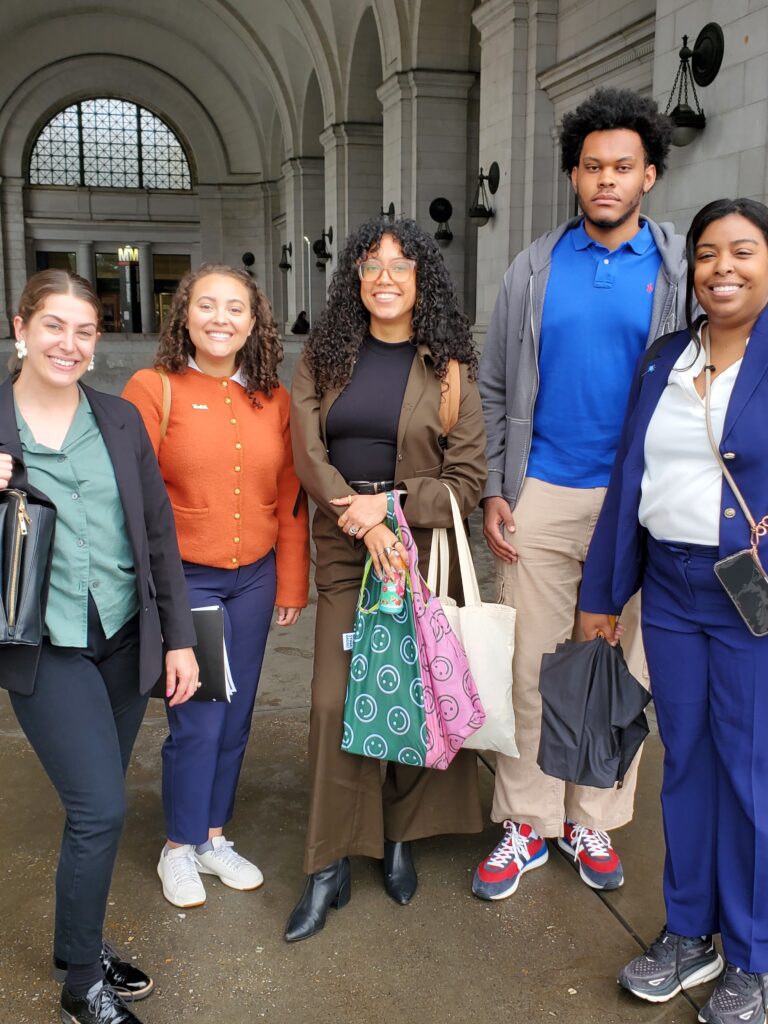
Joining Voices staff were two of our Virginia’s Youth in Action Fellows, Jaynae Wright and Jazz Miles. Jazz just completed his first year at Howard University, while Jaynae just completed her Master of Public Policy from University of Virginia. And all the way from Blacksburg, Virginia, we were joined by Kristi Snyder, with Rainbow Riders Childcare Center and a member of the Virginia Promise Partnership. The energy was electric as we prepared to journey to the nation’s capital to meet with Virginia’s Congressional Delegation and urge them to oppose budget cuts to critical services for young people and families in Virginia.
Congress is considering a budget reconciliation bill that would make sweeping cuts to programs that support states in meeting the needs of young people and their families. Beyond all the acronyms and dollar signs are the real lives of the children and families who would be harmed by slashes to programs that support basic human needs, including health care, groceries, and early care and education.
It was these circumstances that brought Voices staff and community advocates to DC on a rainy Tuesday–the same day the House would convene to debate the proposed cuts. There was no better time to share the real-life impacts of the proposed budget reconciliation with Virginia’s congressional representatives.
We made our way to the nation’s capital with two goals:
Who we met with:
Our focus for the day was to connect with Virginia’s House Representatives as the budget reconciliation process was currently before the House Committees to mark up, propose, reconcile and vote on the budget amendments. This week was timely due to the House officially taking up the proposed budgets in committees to discuss, debate, and ultimately, bring to the full House committee the following week.
Ensuring that young people and families were front of mind in all debates was imperative. And receiving promises not to vote for a budget that would harm young people and families in Virginia was critical.
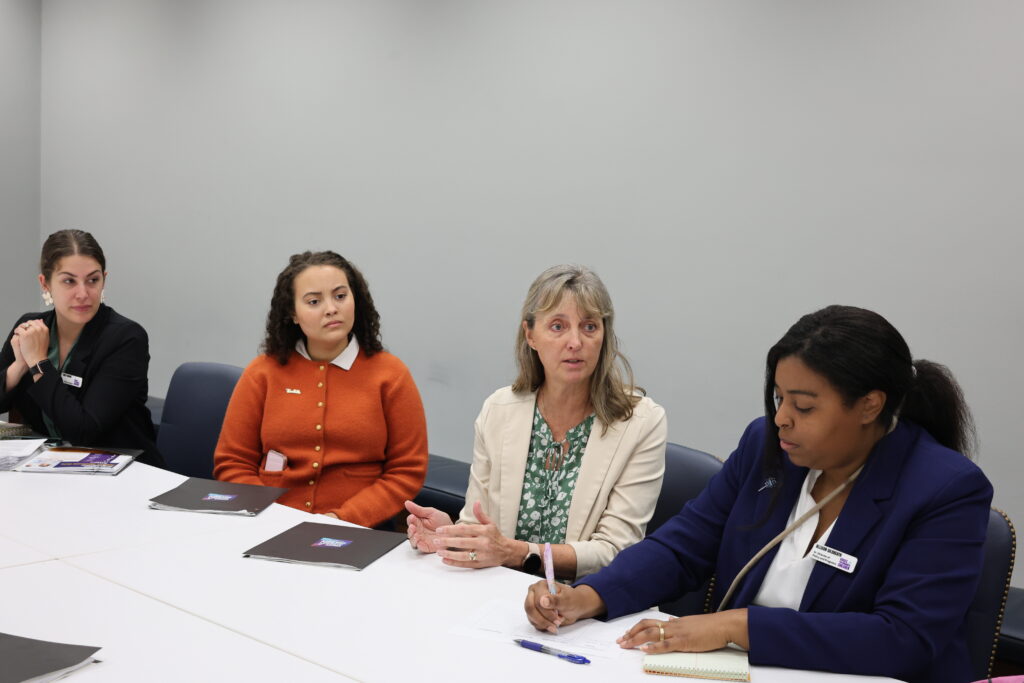
We had the opportunity to meet with the staff of Representative Rob Wittman (R-01), Representative Jennifer McClellan (D-04), and Representative Morgan Griffith (R-09). In addition, we spoke with Senator Warner’s staff to bring awareness to what is to come for the Senate after the House budget process is complete. Outside of our direct meetings, we dropped off important data, fact sheets, and stories with Virginia’s entire Congressional Delegation – reminding them to center the needs, well-being, and livelihood of our young people and families.
What We Championed:
Protect Medicaid:
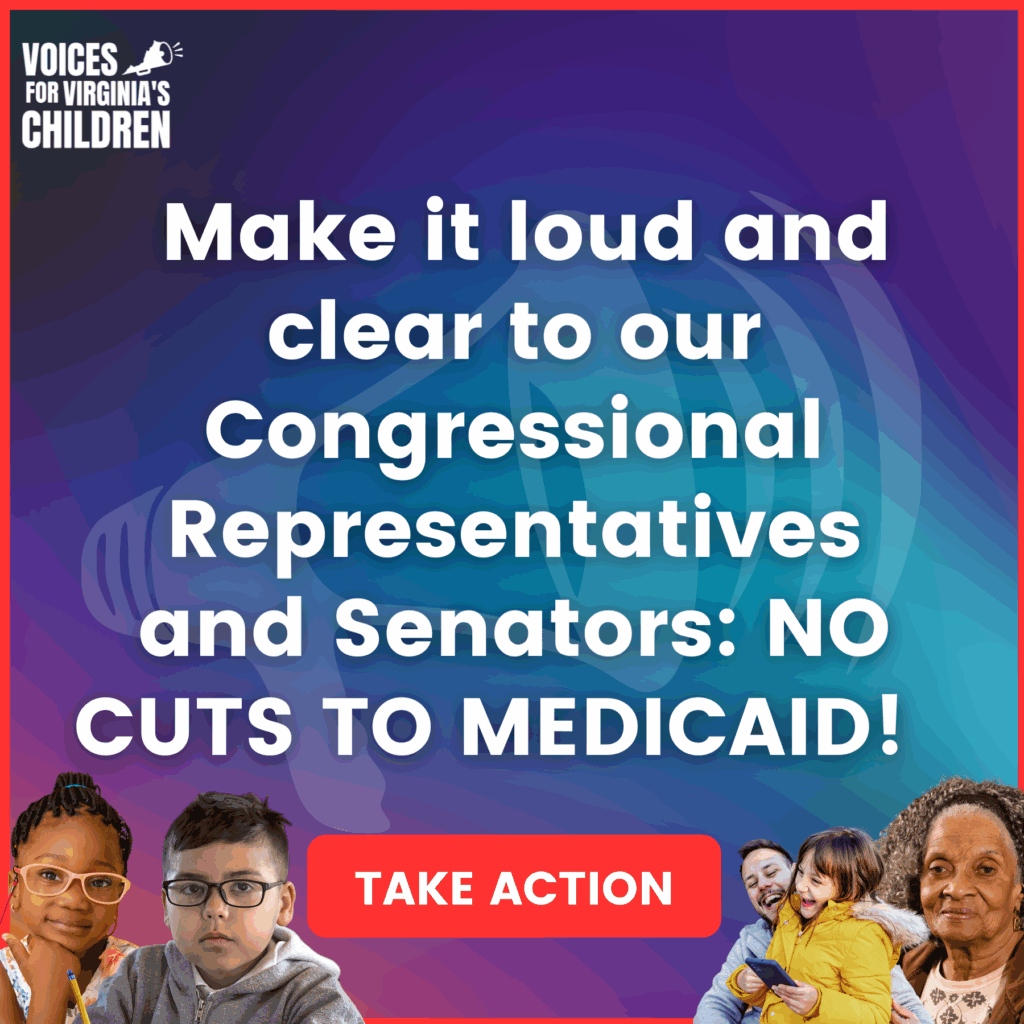
Tasked with finding $880 billion in savings, the Energy and Commerce Committee debated approximately $715 billion in cuts that may result in nearly 8 million individuals, including children, losing their healthcare coverage due to changes in Medicaid and the Affordable Care Act.
“These policies – though they say they have designed them in a way that won’t intentionally cut from vulnerable populations like children and seniors and people with disabilities– they inadvertently do that through rolling them off of eligibility and creating lots of red-tape to increase difficulty getting into the program,” stated Emily Moore, Voices’ Senior Policy Analyst, during a visit with congressional staffers.
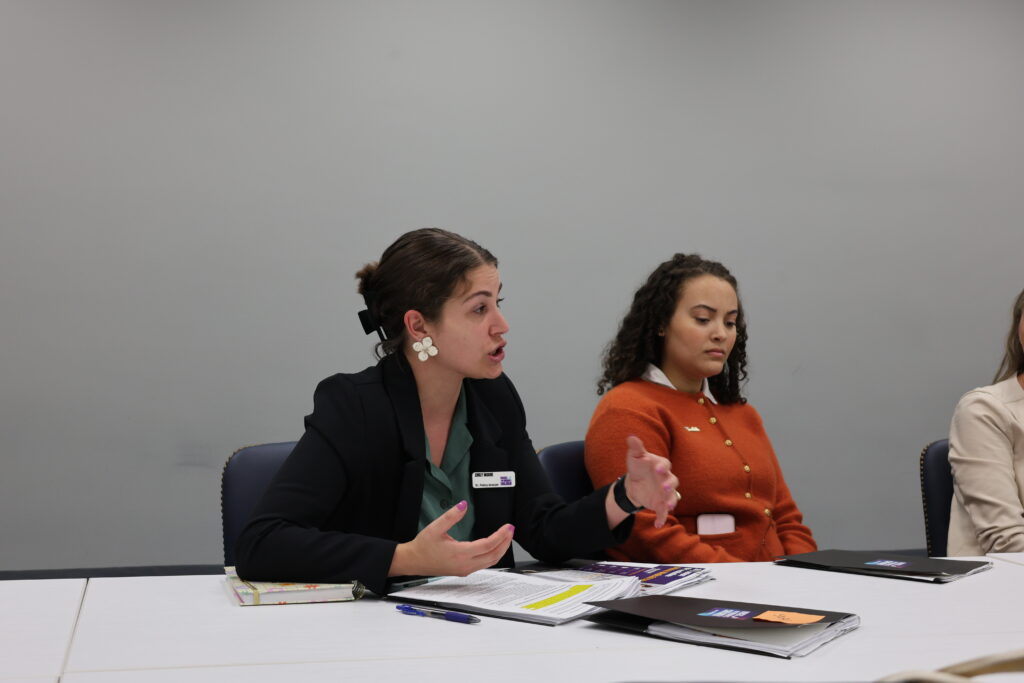
Whether it is cutting the Medicaid Expansion population, adding more barriers to accessing Medicaid through work requirements and enrollment processes, or capping provider payments, the loss of access to health care will directly harm the health of young people and their families, shock the economy, and impact the state budget.
Protect SNAP:
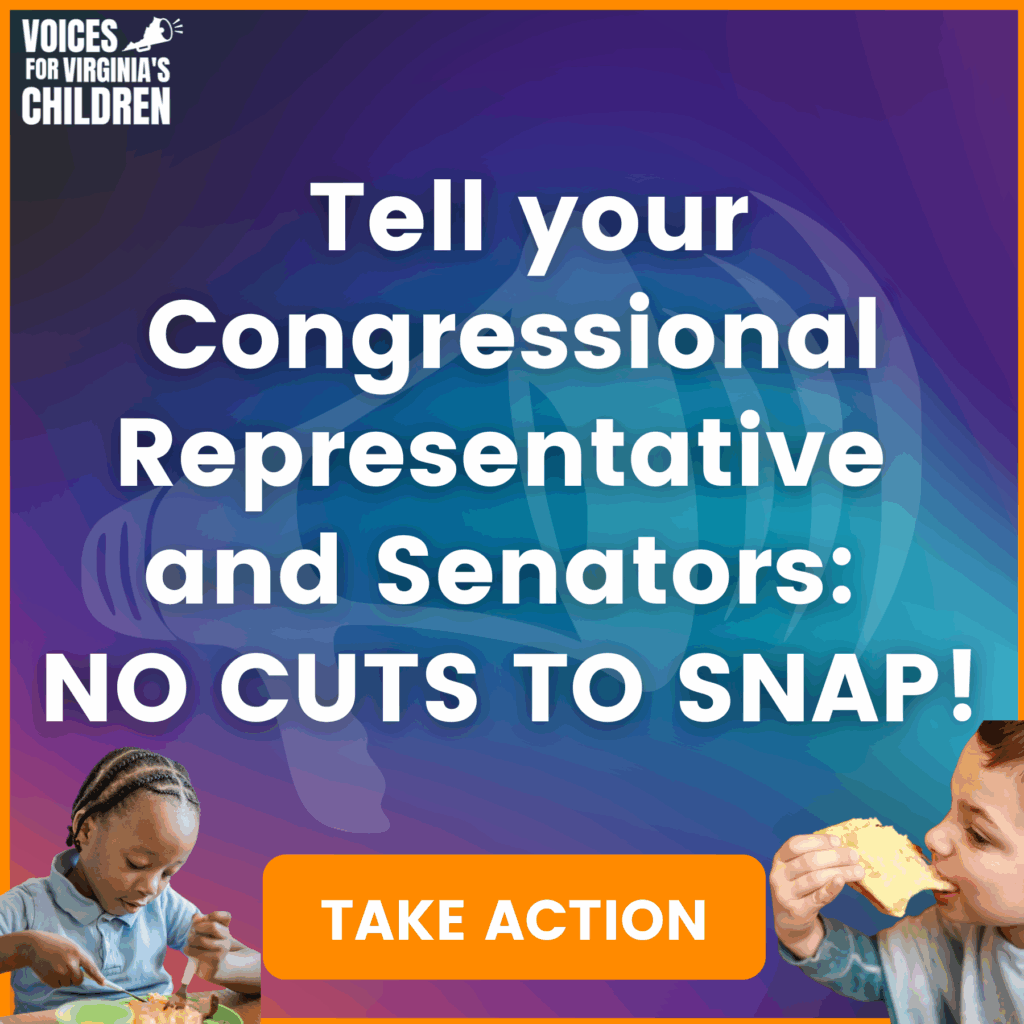
“Medicaid, along with SNAP, are proven to lift families out of poverty and ensure they have access to nutritious food and health care,” Emily Moore continued. With $300 billion on the line for SNAP, the impact on the holistic health and well-being of young people is a critical concern. The Agriculture Committee was charged with identifying at least $230 billion in savings and ultimately exceeded that with their sweeping cuts to SNAP.
“Children cannot learn when they are hungry or sick,” said Emily, highlighting a recent report from No Kid Hungry. “Teachers already report regularly seeing students come to school hungry, and say that they worry about students’ ability to access nutritious meals when they are not in school. We cannot continue to widen this gap to accessing nutritious food. Any cuts to Medicaid and SNAP will lead to more hunger in the cafeteria and at the dinner table.”
Medicaid and SNAP are basic needs programs that support family health and well-being, and aiding them in creating a safe and stable life for their children.
Protect Head Start:
High-quality, accessible, and affordable early care and education is a basic need. Many families who rely on Medicaid and SNAP also use Early Head Start and Head Start Programs to provide early education and care to their youngest children, giving them rich opportunities for social development and kindergarten readiness.
In April, the President’s early budget draft called for the elimination of Head Start, which provides free early childhood programs for low-income families. With $750 million in proposed cuts to Early Head Start and Head Start across the House Labor, House Health and Human Services, and House Education Committees, approximately 80,000 children will lose access to this program. Head Start does not just provide learning; it also provides access to clinicians and familial support, nutritious meals for young children, and early intervention and preventative screenings.
Kristi Snyder, an early child care and Head Start provider from Southwest Virginia, stressed the importance not only of protecting Head Start but also of protecting against cuts to the Child Care Subsidy Program, which assists eligible families in paying for child care across the commonwealth. She shared how all of these programs work together to ensure that families receive the services they need to be able to work and continue providing for their children.
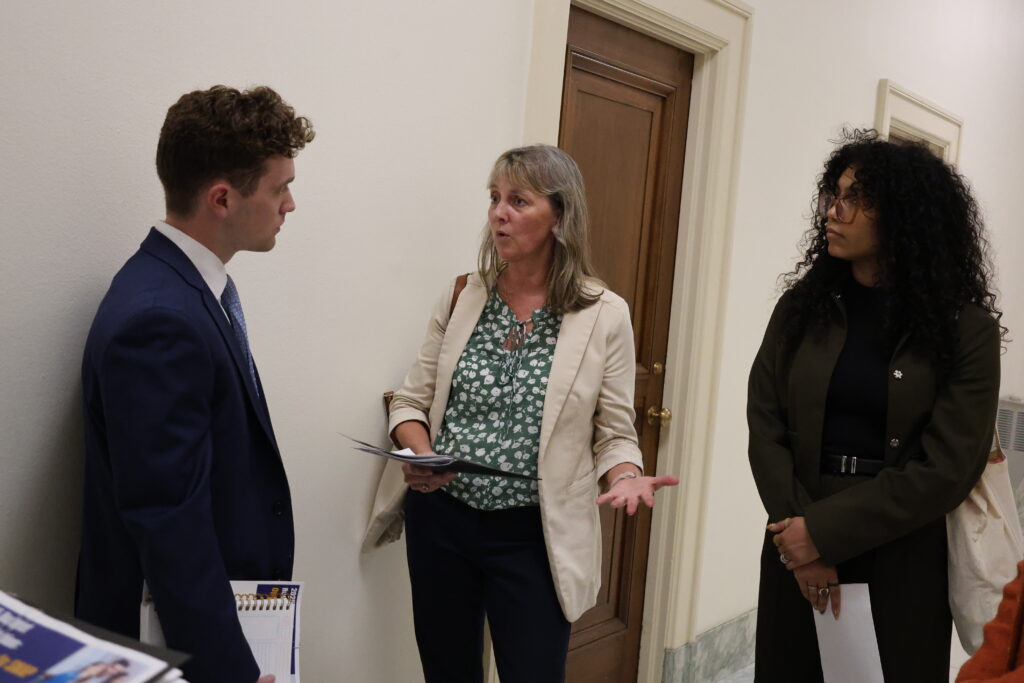
“We still have waiting lists in Virginia for childcare,” shared Kristi. “We cannot just have money moving from one place to another, we need more funding to really meet the demands of the waiting lists across the state.”
While Virginia’s waitlists are already long, cuts to Medicaid will further impact the childcare and early educator workforce, as 24% of Virginia’s child care workforce is covered by Medicaid. Proposals that ultimately passed House Energy and Commerce included a 5% cost sharing of Medicaid
Protect the Department of Education:
All levels of public education are at stake with an additional $12 billion proposed cuts to the U.S. Department of Education. These cuts may block low-income students’ access to higher education, turn critical funding programs for students with disabilities into block grants, pause or dissolve essential university-led research and data collection, and dismantle civil rights protections in our public schools and universities.
Jazz Miles shared his perspective as a Virginia’s Youth in Action Fellow and undergraduate student at Howard University, uplifting the consequences of these cuts for the present and future of our young people. “The Department of Education oversees so many things that students rely on, such as Pell Grants, civil rights protections and more. Students need to know they are supported, safe, and not discriminated against in the spaces where they are meant to learn.”
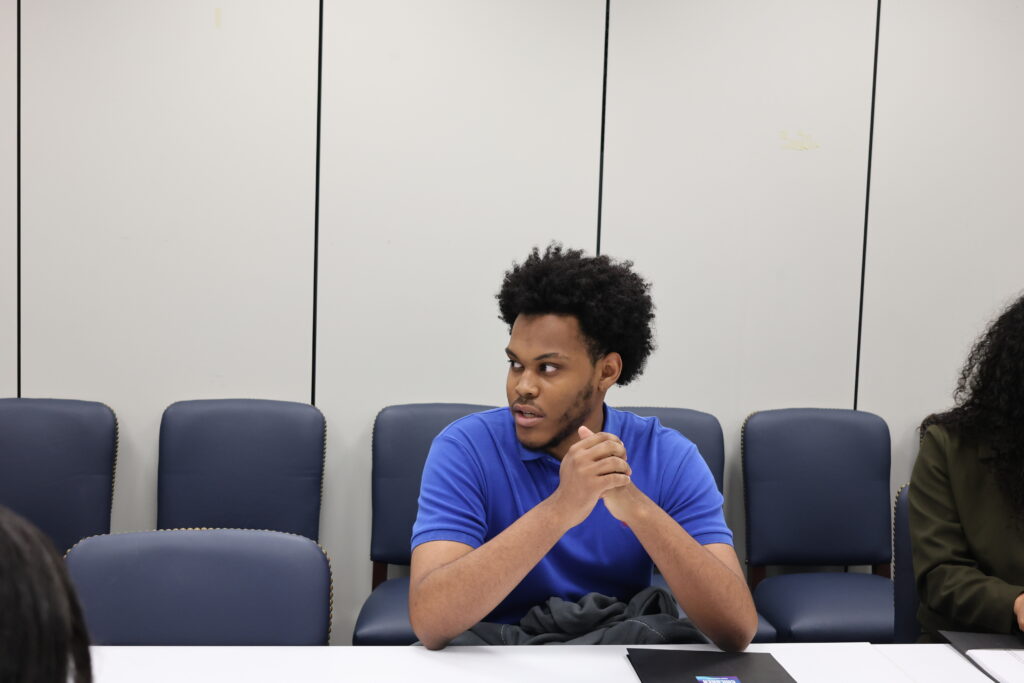
For all the proposed federal cuts, the burden will go back to the states to determine how to make ends meet and continue to provide critical services and support to their citizens.
Jazz concluded by stating that “passing such a huge burden onto the states from the critically important work that the U.S. Department of Education oversees could be detrimental to the livelihood and education of our young people.”
“I am a part of the federal funding program from the Institute of Education Sciences which was established under the Bush administration for school-based accountability,” shared Jaynae Wright, knitting together the throughline of early education and the Department of Education. “These labs were developed to understand evidence and empirical ways to get education policy right and 91% of that workforce has been gutted from the cuts to the U.S Department of Education.”
It was now Tuesday, May 13th, at 7:00 PM, a rainy, dreary, and humid evening now filled with hopeful, resilient and persistent energy.
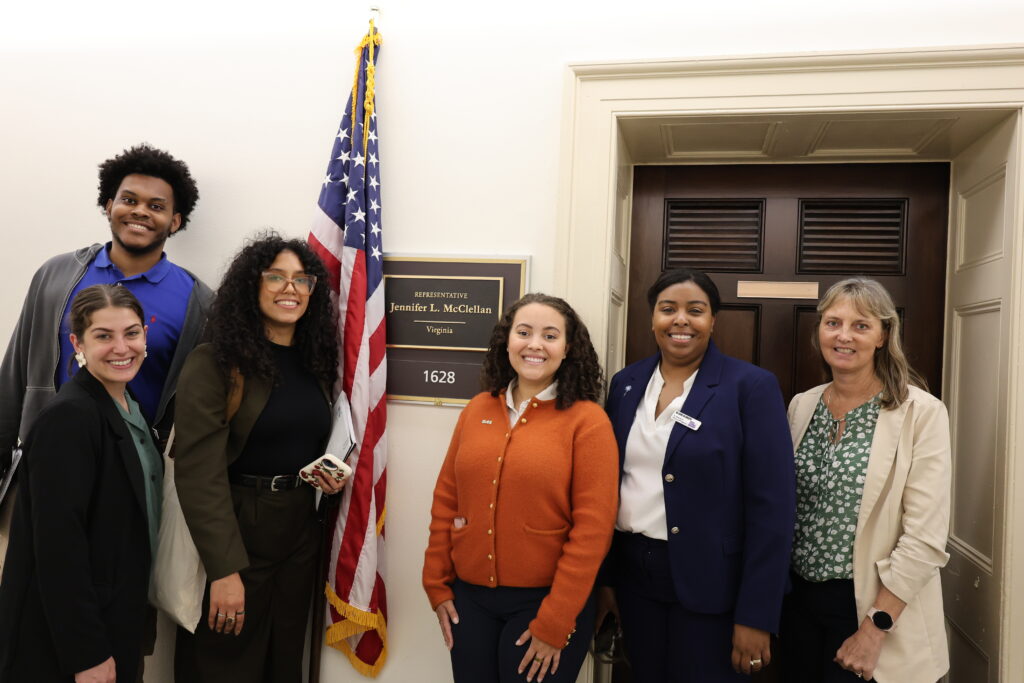
As we boarded the train back to Richmond our spirits were connected in community; finding joy in the midst of frustration, hope amid fear, togetherness when the urgency makes one feel the need to isolate. We are honored to be in community with individuals like our amazing advocates Jaynae, Jazz, Kristi and you. Be encouraged, use your voice, share your stories, and center humanity. We can do this.
We still have work to do.
Reflections on the experience highlighted the importance of bringing human stories into policy. At Voices, we understand the depth of bringing humanity into work that directly impacts individuals and communities yet rarely centers the impact those policies have on such individuals and communities. Storytelling as advocacy. Experience sharing as advocacy. Lived and living experience within the systems at large as advocacy; these are what was received and responded to at the Capitol, and we made some leeway with our leaders in understanding what is at stake if the budget cuts move forward. It was serendipitous that as we were wrapping up our day in Capitol Hill, more advocates were just getting started – protesting the cuts to Medicaid within the Energy and Commerce Committee room. We all play a part in the pendulum swinging toward justice, healing, safety and security for all of Virginia’s youth and families.
What’s Next?
The work is not done. The budget reconciliation process is ongoing and will continue to require the voices of our community to uplift the impacts, hold our legislators accountable and call out the harmful actions of those who are supposed to be representing Virginia’s people. Legislators are public servants, they are beholden to their constituents – where power reigns, we must remember our place in the larger picture – we do in fact hold the power to create change as folks are not in these positions without our votes or our support.
One action you can take right now is to complete the following action alerts to make it loud and clear that cuts to these programs are cuts to communities.

June 2, 2026

March 12, 2026
March 12, 2026
March 5, 2026